


 Voice AI Agent
Voice AI in Real Estate: Automating Lead Qualification & Property Maintenance
 Add as a preferred
source on Google
TL;DR:
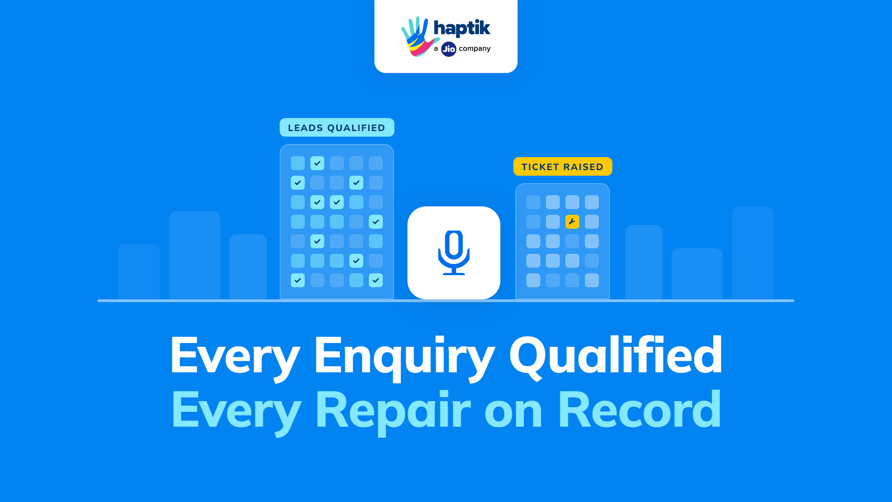
- The dual pressure: Real estate operators face two high-friction bottlenecks: high inquiry drop-off during peak sales launches and delayed property maintenance response in residential/commercial leasing.
- Speed-to-lead economics: Prospective buyers who receive a response within 60 seconds are exponentially more likely to schedule a site visit. Voice AI agents eliminate missed inbound leads, instantly qualifying budget, intent, and RERA compliance details.
- Maintenance and facility automation: On the property management side, voice AI acts as a 24/7 concierge, handling emergency maintenance intake, triaging severity, and dispatching work orders to vendors via Property Management Software (PMS) integrations.
- CRMs and PMS integration: Operational success relies on bi-directional integrations with real estate systems of record (e.g., Salesforce, HubSpot, Yardi, RealPage) to update inventory states and tenant tickets in real time.
- Omnichannel continuity: Unified voice architectures capture lead preferences or maintenance requests over the phone and follow up seamlessly across WhatsApp or SMS with property brochures, location maps, or work order tracking links.
Real estate operators, property developers, and facility managers operate in a high-consequence environment defined by urgency. Whether launching a multi-tower residential project or managing thousands of commercial leasing units, operational drag usually occurs on the phone line.
During a new project pre-launch or a festive marketing campaign, sales offices receive hundreds of simultaneous calls. When telecallers are overburdened, warm leads wait on hold, go unassisted, and quickly move on to competing developments.
On the property management side, a midnight plumbing leak or heating system failure left to a voicemail inbox leads to property damage, tenant dissatisfaction, and lease churn.
Deploying enterprise Voice AI addresses both sides of the property lifecycle: automating high-velocity sales lead qualification on the front end and streamlining property maintenance intake on the back end.
Part 1: Front-End Sales: Instant Lead Qualification and Site-Visit Booking
In real estate sales, response speed dictates deal flow. A prospect calling an ad number expects immediate details on pricing, floor plans, carpet area, and payment schedules.
When human sales teams manually dial back web form leads hours later, contact rates drop precipitously. Voice AI transforms this intake workflow into an automated, sub-1.5-second conversion engine.
Sales lead conversion pipeline
| Inbound call/form (sub-90s response) | Automated qualification (budget, location, RERA) | Direct PMS/CRM sync (site visit booked) |
1. Instant speed-to-lead qualification
Voice AI agents answer inbound calls or dial out to new web form leads within seconds. The agent conducts a seamless qualification call to evaluate key buyer criteria:
- Budget range and financing readiness (e.g., pre-approved home loan status)
- Configuration preference (e.g., 2 BHK vs. 3 BHK, carpet area requirements)
- Buying timeline (e.g., immediate possession vs. under-construction investment)
- Specific regulatory or compliance queries (such as RERA registration details)
2. Autonomous site-visit scheduling
Instead of asking a caller to wait for a sales rep to call back, the voice AI agent checks live calendar availability and books an in-person or virtual site visit during the initial conversation. The system instantly triggers a follow-up WhatsApp or SMS confirmation containing location pins, project brochures, and digital floor plans.
3. Campaign volume scaling and dormant re-engagement
During project pre-launches or promotional campaigns, voice AI handles thousands of concurrent calls without staffing bottlenecks.
Furthermore, voice agents can re-engage dormant database leads from previous quarters, identifying buyers who are actively re-entering the market and routing high-intent prospects directly to senior human brokers.
Part 2: Back-End Operations: 24/7 Property Maintenance Intake
Once a property is leased or handed over, operational focus shifts to tenant retention, maintenance, and facility management. Maintenance coordination is historically labor-intensive, inefficient, and prone to miscommunication.
Maintenance intake and dispatch overflow
| 1. Inbound resident call (24/7 spoken intake) | 2. Severity triage and AI diagnosis (emergency vs routine work order) | 3. PMS ticket creation | 4. Automated vendor dispatch |
1. 24/7 emergency triage and categorization
Maintenance issues do not adhere to regular business hours. A voice AI concierge acts as the first line of defense for property managers 24/7:
- Severity diagnosis: The AI parses the caller’s spoken description to distinguish between minor routine requests (e.g., a squeaky door hinge) and urgent structural emergencies (e.g., a burst main pipe or electrical short).
- Safety protocols: For life-safety hazards (such as gas leaks or fires), the AI provides immediate verbal safety instructions while simultaneously triggering emergency vendor notifications and human manager alerts.
2. Direct work order creation via PMS integration
Rather than recording static voicemails that require manual review, the Voice AI agent integrates directly with Property Management Software (PMS). The system creates a structured work order ticket, attaches the transcribed call log and audio file, assigns a priority level, and routes the request to approved vendor queues automatically.
3. Automated resident status updates
A primary cause of inbound maintenance call spikes is residents calling for updates on open tickets.
Voice AI handles status queries autonomously, checking the PMS for technician dispatch status, ETA updates, or completed job verifications - drastically reducing inbound call volume for property management staff.
Connecting the Real Estate Ecosystem: Systems Integration
Voice AI delivers long-term ROI in real estate when it is deeply integrated into the broader technology ecosystem:
| System type | Integration targets | Operational action executed |
|---|---|---|
| Real estate CRMs | Salesforce, HubSpot, LeadSquared | Creates/updates lead scores, logs voice transcripts, assigns brokers. |
| Property management (PMS) | Yardi, RealPage, AppFolio, Entrata | Generates maintenance tickets, checks rent balances, updates lease logs. |
| ERP and inventory databases | SAP, Oracle, Custom Inventory Portals | Checks real-time unit availability, floor plans, and pricing tiers. |
| Omnichannel messaging | WhatsApp Business API, SMS Gateways | Dispatches brochures, RERA docs, visit passes, and ticket status links. |
Key Technical Requirements for Real Estate Voice AI
Enterprise deployment across sales and property management requires meeting specific architectural standards:
- Multilingual and vernacular support: Real estate markets require seamless processing of regional languages, accents, and mid-sentence code-switching (e.g., blending Hindi, English, or regional dialects) to eliminate lead drop-off.
- Noise-robust acoustic processing: Maintenance calls frequently originate from noisy outdoor environments or distorted mobile lines; ASR models must be trained specifically on compressed mobile audio streams.
- Sub-1.5-second response latency: Lead conversion rates drop if speech turn-taking delays exceed 1.5 seconds during sales inquiries.
- Data privacy and residency: Handling tenant personal identification, lease agreements, and financial data requires localized data center hosting, encryption at rest, and compliance with data protection laws (such as India's DPDP Act).
How Haptik Empowers Real Estate Operations
Haptik provides enterprise conversational AI solutions tailored for real estate developers, property management groups, and commercial brokers:
- Seamless CRM and PMS integration: Features pre-built connectors to top real estate CRMs, ERPs, and property management platforms to write leads, schedule site visits, and log maintenance tickets in real time.
- Multilingual fluency: Engineered to handle complex regional accents and code-switched speech, ensuring zero language-based lead drop-off across diverse buyer demographics.
- Sovereign, high-scale infrastructure: Built on local data center infrastructure, Haptik ensures localized data residency, high concurrency during new launch traffic spikes, and sub-second latency performance.
The Bottom Line
Enterprise real estate leaders are moving beyond isolated text chatbots and manual telecalling banks. By deploying Voice AI to automate sales lead qualification and stream maintenance workflows, developers and property managers can capture missed demand, accelerate site-visit conversions, and deliver 24/7 service across the entire property lifecycle.
FAQs
Yes. The Voice AI agent connects directly to team calendar software or CRM scheduling modules, checks available time slots, verifies buyer intent, and books the site visit autonomously during the initial call.
The system uses acoustic and semantic triage to identify life-safety hazards or urgent structural issues (such as water leaks or power failures). It provides immediate safety instructions to the resident while dispatching emergency vendor notifications and alerting on-call managers.
Yes. Enterprise Voice AI platforms process regional dialects and code-switching (blending regional languages with English mid-sentence), ensuring callers can communicate naturally in their preferred language.



source on Google